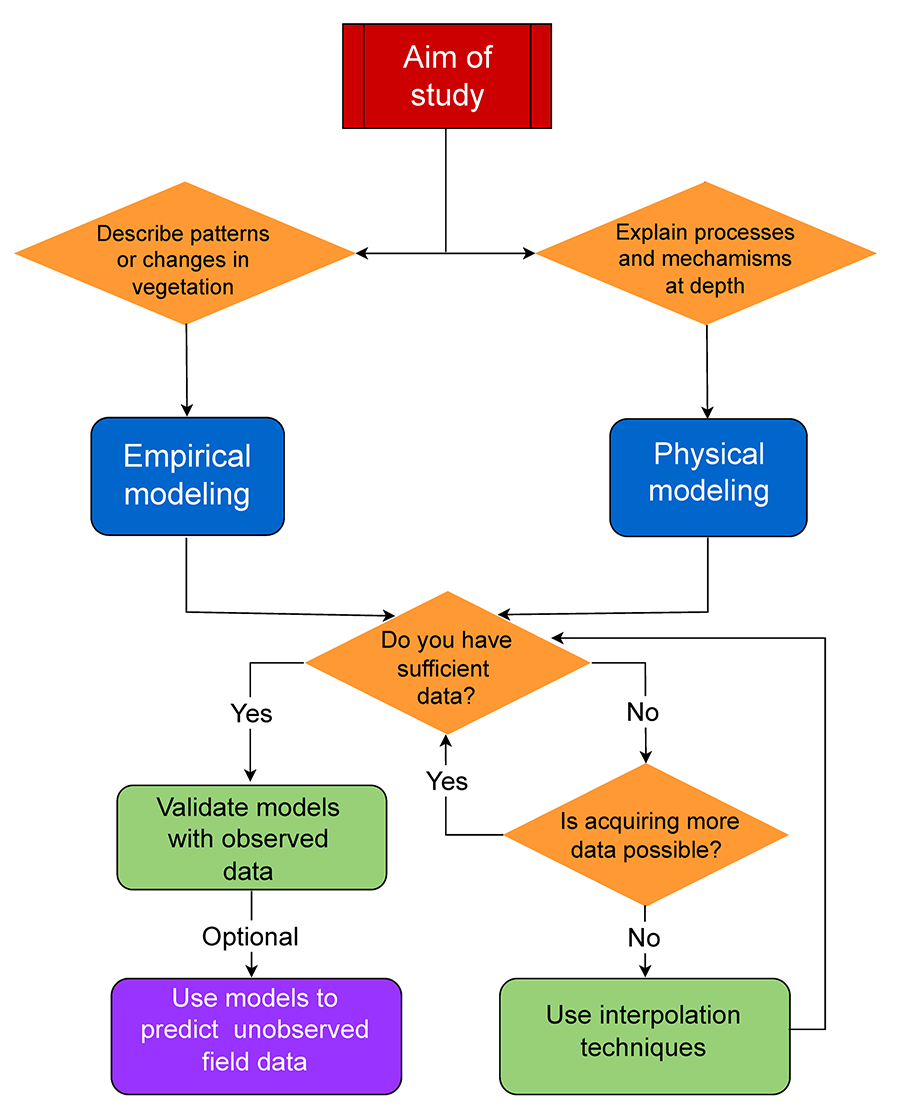
Figure 3. Flowchart for guiding the selection of the modeling approach in
remote sensing-based vegetation studies. Two main approaches are distinguished:
empirical modeling, aimed at describing patterns and changes in vegetation, and
physical modeling, focused on explaining processes and mechanisms in depth. The
choice depends mostly on the study goals, the availability of field data and
the possibility of acquiring additional information. Interpolations techniques
refer to the use of algorithms to estimate intermediate unobserved values
between two observed values.
Figura 3. Diagrama de flujo para guiar la selección
del enfoque de modelado en estudios de vegetación basados en teledetección. Se
distinguen dos enfoques principales: modelado empírico, orientado a describir
patrones y cambios en la vegetación, y modelado físico, enfocado en explicar
procesos y mecanismos en profundidad. La elección depende fundamentalmente de
los objeticos del estudio, la disponibilidad de datos de campo y la posibilidad
de adquirir información adicional. Las técnicas de interpolación se refieren al
uso de algoritmos para estimar valores intermedios no observados entre dos
valores observados.
Table 1. Comparison of the characteristics,
aims, strengths and weaknesses of the empirical and physical modeling
approaches in remote sensing-based ecosystem studies.
Tabla 1. Comparación de
las características, objetivos, fortalezas y debilidades de los enfoques
empírico y físico de modelación en estudios de ecosistemas basados en la
teledetección.
Recognition of
the limitations of empirical modeling led to the development of an alternative
modeling approach known as physical modeling, which involves the construction
of theoretical models based on the physical attributes of ecosystem features (Table 1).
These theoretical models aim to understand as deeply as possible the nature of
sources of radiation and their interaction with the environment (Sinclair et al., 1973; Myneni, 1991; Jacquemoud et
al., 2000; Jiao et al., 2024). For this reason, the
construction of physical models requires large amounts of specific data on
variables that allow relating the physical characteristics of the system to its
electromagnetic signals (Allen
et al., 1969). Ultimately, the purpose of physical
modeling is to produce detailed and specific knowledge of the modeled
variables, as well as to establish causal relationships that explain the
variation of ecosystem processes with the highest possible accuracy (Abdoun & El-Sekelly, 2017). In the case of plant communities, studies based on physical
modeling consider multiple characteristics such as the spatial distribution of
plants, their reflectance, illumination conditions, transmittance, absorption,
and scattering of photons or electromagnetic waves, internal leaf tissue
structure, the nature and concentration of pigments, chloroplast density,
biochemical composition, and water content, among many others (Sinclair et al., 1973; Hosgood et al.,
1994; Feldman,
2024).
Despite their importance for analyzing
ecosystem processes, the development of physical models has not been limited to
the study of plant communities but is also applied in other fields of
knowledge, for example geology, civil engineering, and mining (Abdoun & El-Sekelly, 2017). All these types of studies explore elementary (static) processes
on the surface to fully understand their characteristics and interactions, as
well as to develop strategies for better understanding the observed phenomena.
While these two goals may be achieved based on the same physical principles, it
must be noted that modeling the surface for material identification is not
comparable to modeling an ecological process (Kennedy et al., 2020). The latter
involves highly dynamic relationships between variables that interact with each
other, such as seasonality or humidity. These relationships increase the
intrinsic complexity of the process and make it highly variable over short time
intervals.
Notwithstanding their complexity, physical
models offer attractive advantages over empirical models. For example,
understanding the variation of the reflectance of a surface in relation to the
terrain’s geometry can be done by simulating the interaction of light with the
atmosphere and vegetation, a task that is accomplished by the DART (Discrete
Anisotropic Radiative Transfer) model and the Bidirectional Reflectance
Distribution Function (BRDF) (Gerard & North, 1997; Gastellu-Etchegorry et al.,
2004). A further major advantage of physical
modeling is its spatio-temporal independence; in this regard, a well-developed,
highly complex physical model has the potential to build regional models
applicable under different circumstances. Of course, integrating all the
knowledge thus acquired involves a high degree of complexity (Prakash et al., 2017). Furthermore, having a large amount of detailed information does
not guarantee success in modeling a process. Overall, physical modeling
increases precision and the ability to describe a phenomenon in detail but
requires specific resources (materials and instruments) to study the modeled
variables more deeply. Additionally, the possibility of fully comprehending the
interactions among model variables requires solid theoretical knowledge. For
these reasons, the choice of the most useful approach to study ecosystem
processes depends on the level of detail and scales involved (Woodcock & Strahler, 1987).
The comparison of the advantages and
shortcomings of the two modeling approaches reviewed here explains why
determining which is the best route for studying ecosystem processes is not
straightforward. In fact, to consider the use of one or the other, it is
necessary to have basic information about the system, its components, and its
possible responses. Despite its limitations, empirical modeling has a proven
ability to address problems that arise in parallel to the study of ecosystems.
Furthermore, empirical models tackle the problem from a more practical
perspective, focusing on modeling vegetation and its attributes without the
necessity to understand the underlying mechanisms. By contrast, physical
modeling aims for a more precise understanding of each variable considered,
and, by doing so, it sheds light on the mechanisms involved in the
terrain-image interactions by studying specific variables. Nevertheless, this
is a time-consuming process, which represents a disadvantage in view of the
accelerated deterioration of ecosystems and their processes, which requires
immediate attention.
It has been suggested that physical
modeling could eventually replace empirical modeling (e.g., Abdoun & El-Sekelly, 2017), but this claim may be unfounded as it overlooks important
considerations related to the study of ecosystems. Although the examination of
the main characteristics that distinguish the empirical and physical modeling
approaches suggests that they are mutually exclusive, that is, that researchers
should opt for one or the other in their studies, we envision a high potential for
their combined use in remote sensing-based vegetation studies. On the one hand,
both approaches can be conceived as complementary, since empirical modeling can
contribute with case studies and identify research gaps, while physical
modeling can provide the physical basis to understand the differences detected
in these cases and facilitate a unifying comprehension. On the other hand, the
combined application of the two modeling approaches can increase the precision
of the predictions of vegetation attributes, which appears to be particularly
effective in regions fraught with data scarcity (Zhou et al., 2023; Kumar et al., 2024; Liu et al., 2025). The integration of the two approaches has given rise to the
emergence of a novel approach known as hybrid modeling (Schweidtmann et al., 2024).
Hybrid modeling takes advantage of the
characteristics defining each approach synthesized in Table 1 and increases the
explanatory capacity of the models through training processes, when using, for
example, Machine Learning, while minimizing the limitations of each model taken
individually (Zhou et al., 2023; Jiao et al., 2024). For example, the increased modeling precision associated to the
physical approach may be offset by its high computational requirements and
higher costs (Liu et al., 2025). In turn, empirical models are admittedly less precise, but they
offer a much higher generalization potential in addition to their higher
accessibility to many users due to its simplicity. In constructing physical
models, the calculation of some parameters can be mathematically very complex,
and in these cases, they may be replaced by coefficients obtained through
empirical modeling. Likewise, empirical models could be used to fit the
residuals of the physical models, which could result in physically sound
models, but having higher predictive capacity and generalization potential than
each of these models separately. However, the benefits from using a hybrid
approach must not be overstated, as its inadequate use, for example, when the
physical modeling component is not based on a sound knowledge of the physical
nature of the studied elements, may result in reduced explanatory potential and
modeling precision (Schweidtmann
et al., 2024).
Conclusions
Several decades have elapsed since the
introduction of remote sensing in ecosystem studies; however, innovations are
still arising, offering new ways to understand the natural world and its
processes. The two main approaches for modeling ecological attributes and
processes through remote sensing (namely, empirical and physical modeling)
contrasted in the last section of this review have different aims and neither
one is superior nor more useful than the other. As is the case when selecting a
given image spatial or spectral resolution, choosing a certain modeling
approach for a remote sensing study always involves a trade-off between data
precision and the efficiency in the use of resources, including time and data
processing capabilities. Undoubtedly, studies focused on monitoring the spatial
distribution of vegetation attributes and their changes over time, mostly
conducted with an empirical approach, are invaluable from a practical
perspective. On the contrary, physical modeling is rather geared toward gaining
a deeper understanding of the relationship between surface properties,
illumination characteristics, and remote-sensed variables. More importantly,
however, it is increasingly evident that these approaches are not mutually
exclusive, as it combined use (represented by the emergent hybrid modeling
approach) makes the most of each of them while overcoming some of their
drawbacks, all of which results in much more precise and efficient modeling. By
viewing the two approaches as complementary research tools, we may be better
able to address pressing needs in ecosystem monitoring. Of course, the future
development of hybrid modeling faces important challenges, and future research
avenues should focus on issues such as the feasibility of scaling hybrid models,
or their transferability across ecosystems.
Authors’ contributions
Daniel Chávez: Conceptualization, investigation, writing-first draft,
writing-review and editing. Jonatan V. Solórzano: Investigation,
writing-review and editing. Jorge A. Meave: Conceptualization,
investigation, writing-review and editing.
Data and code availability
This paper does not use original datasets.
Financing, required permits, potential
conflicts of interest and acknowledgments
This study was funded by SECIHTI, the
Mexican Ministry of Science, Humanities, Technology and Innovation (formely
CONACyT, The National Council of Science and Technology of Mexico). This paper constitutes a partial fulfillment of the Programa de
Doctorado del Posgrado en Ciencias Biológicas, Universidad Nacional Autónoma de
México. D.C. received a doctoral scholarship from
CONACyT.
The authors do not have any
financial or personal conflict of interest to declare related to the
information and presentation of this paper.
We are grateful to Abril Chávez and Marco
A. Romero-Romero for figure preparation.
References
Abdoun, T., & El-Sekelly,
W. (2017). Recent advances in physical modeling and remote
sensing of civil infrastructure systems. Innovative Infrastructure Solutions,
2, 44. https://doi.org/10.1007/s41062-017-0078-3
Adam, E., Mutanga, O., & Rugege, D. (2009). Multispectral and
hyperspectral remote sensing for identification and mapping of wetland
vegetation: A review. Wetlands Ecology and Management, 18, 281–296. https://doi.org/10.1007/s11273-009-9169-z
Adjovu, G. E., Stephen, H., James, D., & Ahmad, S. (2023). Overview of
the application of remote sensing in effective monitoring of water quality
parameters. Remote Sensing, 15(7), 1938. https://doi.org/10.3390/rs15071938
Ahmad, A., Gilani, H., & Ahmad, S. R. (2021). Forest aboveground
biomass estimation and mapping through high-resolution optical satellite
imagery: A literature review. Forests, 12(7), 914. https://doi.org/10.3390/f12070914
Allen, W. A., Gausman, H. W., Richardson, A. J., & Thomas, J. R.
(1969). Interaction of isotropic light with a compact plant leaf. Journal of
the Optical Society of America, 39, 1376–1379. https://doi.org/10.1364/JOSA.59.001376
Alvarez-Vanhard, E., Corpetti, T., & Houet, T. (2021). UAV & satellite
synergies for optical remote sensing applications: A literature review. Science
of Remote Sensing, 3, 100019. https://doi.org/10.1016/j.srs.2021.100019
Anderson, K.,
& Gaston, K. J. (2013). Lightweight unmanned
aerial vehicles will revolutionize spatial ecology. Frontiers in Ecology and
the Environment, 11(3), 138–146. https://doi.org/10.1890/120150
Anyomi, K. A., Neary, B., Chen, J., & Mayor, S. J. (2022). A critical
review of successional dynamics in boreal forest of North America. Environmental
Reviews, 30(4), 563–594. https://doi.org/10.1139/er-2021-0106
Aplin, P. (2004). Remote sensing: Land cover. Progress in Physical
Geography, 28, 283–293. https://doi.org/10.1191/0309133304pp413pr
Aquino, C., Mitchard, E. T. A., McNicol, I. M., Carstairs, H., Burt, A.,
Vilca, B. L. P., … Disney, M. (2025). Detecting selective logging in tropical
forests with optical satellite data: An experiment in Peru shows texture at 3 m
gives the best results. Remote Sensing in Ecology and Conservation, 11,
100–118. https://doi.org/10.1002/rse2.414
Aschbacher, J., Ofren, R., Delsol, J. P., Suselo, T. B., Vibulsresth, S.,
& Charrupat, T. (1995). An integrated comparative approach to mangrove
vegetation mapping using advanced remote sensing and GIS technologies:
Preliminary results. Hydrobiologia, 295, 285–294. https://doi.org/10.1007/BF00029135
Asner, G.
P., & Heidebrecht, K. B. (2002). Spectral of
vegetation, soil and dry carbon cover in arid regions: Comparing multispectral
and hyperspectral observations. International Journal of Remote Sensing,
23, 3939–3958. https://doi.org/10.1080/01431160110115960
Asner, G. P., Scurlock, J. M. O., & Hicke, J. A. (2003). Global
synthesis of leaf area index observations: Implications for ecological and
remote sensing studies. Global Ecology and Biogeography, 12(3), 191–205.
https://doi.org/10.1046/j.1466-822X.2003.00026.x
Atkinson, P.,
& Aplin, P. (2004). Spatial variation in land
cover and choice of spatial resolution for remote sensing. International
Journal of Remote Sensing, 25, 3687–3702. https://doi.org/10.1080/01431160310001654383
Barbier, N., Couteron, P., Gastellu-Etchegorry, J. P., & Proisy, C.
(2012). Linking canopy images to forest structural parameters: Potential of a
modeling framework. Annals of Forest Science, 69, 305–311. https://doi.org/10.1007/s13595-011-0116-9
Barbier,
N., & Couteron, P. (2015). Attenuating the
bidirectional texture variation of satellite images of tropical forest
canopies. Remote Sensing of Environment, 171, 245–260. https://doi.org/10.1016/j.rse.2015.10.007
Barbosa, J. M., Broadbent, E. N., & Bitencourt, M. D. (2014). Remote
sensing of aboveground biomass in tropical secondary forests: A review. International
Journal of Forestry Research, 2014, 715796. https://doi.org/10.1155/2014/715796
Bastin, J.-F. F., Barbier, N., Couteron, P., Adams, B., Shapiro, A.,
Bogaert, J., & de Cannière, C. (2014). Aboveground biomass mapping of
African forest mosaics using canopy texture analysis: Towards a regional
approach. Ecological Applications, 24(8), 1984–2001. https://doi.org/10.1890/13-1574.1
Bennett, A. F., Haslem, A., Cheal, D. C., Clarke, M. F., Jones, R. N.,
Koehn, J. D., … Yen, A. L. (2009). Ecological processes: A key element in
strategies for nature conservation. Ecological Management & Restoration,
10, 192–199. https://doi.org/10.1111/j.1442-8903.2009.00489.x
Blasco, F., Gauquelin, T., Rasolofoharinoro, M., Denis, J., Aizpuru, M.,
& Caldairou, V. (1998). Recent advances in mangrove studies using remote
sensing data. Marine and Freshwater Research, 49, 287–296. https://doi.org/10.1071/MF97153
Block, S., González, E. J.,
Gallardo-Cruz, J. A., Fernández, A., Solórzano, J. V., & Meave, J. A.
(2016). Using Google Earth surface metrics to predict plant
species richness in a complex landscape. Remote Sensing, 8, 865. https://doi.org/10.3390/rs8100865
Bongers, F. (2001). Methods to assess tropical rain forest canopy
structure: An overview. Plant Ecology, 153, 263–277. https://doi.org/10.1023/A:1017555605618
Borgonovo, E., Tarantola, S., Plischke, E., & Morris, M. D. (2014).
Transformations and invariance in the sensitivity analysis of computer
experiments. Journal of the Royal Statistical Society Series B: Statistical
Methodology, 76, 925–947. https://doi.org/10.1111/rssb.12052
Bramich, J., Bolch, C. J. S., & Fischer, A. (2021). Improved red-edge
chlorophyll-a detection for Sentinel 2. Ecological Indicators, 120,
106876. https://doi.org/10.1016/j.ecolind.2020.106876
Bruniquel-Pinel, V., & Gastellu-Etchegorry, J. P. (1998). Sensitivity of texture of high resolution images of
forest to biophysical and acquisition parameters. Remote Sensing of
Environment, 65(1), 61–85. https://doi.org/10.1016/S0034-4257(98)00009-1
Bürkner, P.-C., Gabry, J., & Vehtari, A. (2020). Approximate leave-future out cross-validation for Bayesian time
series models. Journal of Statistical Computation and Simulation,
90(14), 2499–2523. https://doi.org/10.1080/00949655.2020.1783262
Butler, S.,
& O'Dwyer, J. P. (2020). Cooperation and
stability for complex systems in resource-limited environments. Theoretical
Ecology, 13, 239–250. https://doi.org/10.1007/s12080-019-00447-5
Cadenasso, M. L., Pickett, S. T. A., Weathers, K. C., & Jones, C. G.
(2003). A framework for a theory of ecological boundaries. BioScience,
53, 750–758. https://doi.org/10.1641/0006-3568(2003)053[0750:AFFATO]2.0.CO;2
Campbell,
G. S., & Norman, J. M. (1989). The description
and measurement of plant canopy structure. In G. Russell, B. Marshall, & P.
G. Jarvis (Eds.), Plant canopies: Their growth, form and function (pp.
1–20). Cambridge University Press. https://doi.org/10.1017/CBO9780511752308.002
Camps-Valls, G., Tuia, D., Gómez-Chova, L., Jiménez, S., & Malo, J. (2012).
Remote sensing image processing. Morgan & Claypool Publishers. https://doi.org/10.1007/978-3-031-02247-0
Cavender-Bares, J., Schneider, F. D., Santos, M. J., Armstrong, A., Carnaval, A.,
Dahlin, K. M., … Wilson, A. M. (2022). Integrating remote sensing with ecology
and evolution to advance biodiversity conservation. Nature Ecology &
Evolution, 6, 506–519. https://doi.org/10.1038/s41559-022-01702-5
Chávez, D., López-Portillo, J., Gallardo-Cruz, J. A., & Meave, J. A.
(2024). Approaches, potential, and challenges in the
use of remote sensing to study mangrove and other tropical wetland forests. Botanical
Sciences, 102(1), 1–25. https://doi.org/10.17129/botsci.3358
Chinea, J. D. (2002). Teledetección
de bosques tropicales. In M. R. Guariguata & G. H. Kattan (Eds.), Ecología
de bosques neotropicales. Libro Universitario Regional.
Chuvieco, E. (2016). Fundamentals of satellite remote sensing: An
environmental approach (2nd ed.). CRC Press. https://doi.org/10.1201/b19478
Clausi, D. A.,
& Zhao, Y. (2002). Rapid extraction of image
texture by co-occurrence using a hybrid data structure. Computers &
Geosciences, 28(6), 763–774. https://doi.org/10.1016/S0098-3004(01)00108-X
Connell, J.
H., & Slatyer, R. O. (1977). Mechanisms of
succession in natural communities and their role in community stability and
organization. The American Naturalist, 111, 1119–1144. https://doi.org/10.1086/283241
Couteron, P. (2002). Quantifying change in patterned semi-arid vegetation by
Fourier analysis of digitized aerial photographs. International Journal of
Remote Sensing, 17, 3407–3425. https://doi.org/10.1080/01431160110107699
Couteron, P., Pelissier, R., Nicolini, E. A., & Paget, D. (2005).
Predicting tropical forest stand structure parameters from Fourier transform of
very high-resolution remotely sensed canopy images. Journal of Applied
Ecology, 42, 1121–1128. https://doi.org/10.1111/j.1365-2664.2005.01097.x
Crawley, M. J. (1997). Plant ecology (2nd ed.). Blackwell. https://doi.org/10.1002/9781444313642
Culbert, P. D., Pidgeon, A. M., St.-Louis, V., Bash, D., & Radeloff, V.
C. (2009). The impact of phenological variation on texture measures of remotely
sensed imagery. IEEE Journal of Selected Topics in Applied Earth
Observations and Remote Sensing, 2(4), 299–309. https://doi.org/10.1109/JSTARS.2009.2021959
Daleo, P., Alberti, J., Chaneton, E. J., Iribarne, O., Tognetti, P. M.,
Bakker, J. D., … Hautier, Y. (2023). Environmental heterogeneity modulates the
effect of plant diversity on the spatial variability of grassland biomass. Nature
Communications, 14, 1809. https://doi.org/10.1038/s41467-023-37395-y
Dansereau, P. (1957). Biogeography: An ecological perspective. The
Ronald Press.
Delegido, J., Verrelst, J., Alonso, L., & Moreno, J. (2011). Evaluation
of Sentinel-2 red-edge bands for empirical estimation of green LAI and
chlorophyll content. Sensors, 11(7), 7063–7081. https://doi.org/10.3390/s110707063
Dozier, J., Bair, E. H., Baskaran, L., Brodrick, P. G., Carmon, N.,
Kokaly, R. F., … Thompson, D. R. (2022). Error and uncertainty degrade
topographic corrections of remotely sensed data. JGR Biogeosciences,
127(11), e2022JG007147. https://doi.org/10.1029/2022JG007147
Dronova, I., & Taddeo,
S. (2022). Remote sensing of phenology: Towards the
comprehensive indicators of plant community dynamics from species to regional
scales. Journal of Ecology, 110(7), 1460–1484. https://doi.org/10.1111/1365-2745.13897
Du, R., Lu, J., Xiang, Y., Zhang, F., Chen, J., Tang, Z., Shi, H.,
Wang, X., & Li, W. (2024). Estimation of winter canola growth parameter
from UAV multi-angular spectral-texture information using stacking-based
ensemble learning model. Computers and Electronics in Agriculture, 222,
109074. https://doi.org/10.1016/j.compag.2024.109074
Dube, T., Onisimo, M., Cletah, S., Adelabu, S., & Tsitsi, B. (2016).
Remote sensing of aboveground forest biomass: A review. Tropical Ecology,
57(2), 125–132.
Eckert, S. (2012). Improved forest biomass and carbon estimations using
texture measures from WorldView-2 satellite data. Remote Sensing, 4,
810–829. https://doi.org/10.3390/rs4040810
Eide, A., Koparan, C., Zhang, Y., Ostlie, M., Howatt, K., & Sun, X.
(2021). UAV-assisted thermal infrared and multispectral imaging of weed
canopies for glyphosate resistance detection. Remote Sensing, 13, 4606. https://doi.org/10.3390/rs13224606
Einzmann, K., Atzberger, C., Pinnel, N., Glas, C., Böck, S., Seitz, R.,
& Immitzer, M. (2021). Early detection of spruce vitality loss with
hyperspectral data: Results of an experimental study in Bavaria, Germany. Remote
Sensing of Environment, 266, 112676. https://doi.org/10.1016/j.rse.2021.112676
Farwell, L. S., Gudex-Cross, D., Anise, I. E., Bosch, M. J., Olah, A. M., …
Pidgeon, A. M. (2021). Satellite image texture captures vegetation
heterogeneity and explains patterns of bird richness. Remote Sensing of
Environment, 253, 112175. https://doi.org/10.1016/j.rse.2020.112175
Fassnacht, F. E., White, J. C., Wulder, M. A., & Næsset, E. (2024).
Remote sensing in forestry: Current challenges, considerations and directions. Forestry:
An International Journal of Forest Research, 97, 11–37. https://doi.org/10.1093/forestry/cpad024
Fatoyinbo,
T. E., & Armstrong, A. H. (2010). Remote
characterization of biomass measurements: Case study of mangrove forest. In M.
Momba & F. Bux (Eds.), Biomass. Sciyo.
Fatoyinbo, T. E., Simard, M., Washington-Allen, R. A., & Shugart, H. H.
(2008). Landscape-scale extent, height, biomass, and carbon estimation of
Mozambique's mangrove forests with Landsat ETM+ and Shuttle. Journal of
Geophysical Research, 113, G02S06. https://doi.org/10.1029/2007JG000551
Feldman, A. F. (2024). Emerging methods to validate remotely sensed
vegetation. Geophysical Research Letters, 51(14), e2024GL110505. https://doi.org/10.1029/2024GL110505
Feng, Q., Liu, J., & Gong, J. (2015). UAV remote sensing for urban
vegetation mapping using random forest and texture analysis. Remote
Sensing, 7(1), 1074–1094. https://doi.org/10.3390/rs70101074
Fernández-Manso, A.,
Fernández-Manso, O., & Quintano, C. (2016). SENTINEL-2A
red-edge spectral indices suitability for discriminating burn severity. International
Journal of Applied Earth Observation and Geoinformation, 50, 170–175. https://doi.org/10.1016/j.jag.2016.03.005
Fernández-Pacheco, V. M.,
Amezqueta-García, A., & Álvarez-Álvarez, E. (2023). Análisis de la
evolución del complejo dunar Salinas - El Espartal mediante el empleo de
ortofotografía, DSAS y lidar (1957–2021). Ingeniería del Agua, 27,
223–235. https://doi.org/10.4995/ia.2023.20021
Fichot, C. G., Tzortziou, M., &
Mannino, A. (2023). Remote sensing of dissolved organic carbon
(DOC) stocks, fluxes and transformations along the land-ocean aquatic
continuum: Advances, challenges, and opportunities. Earth-Science Reviews,
242, 104446. https://doi.org/10.1016/j.earscirev.2023.104446
Fleming, A., Conway, T. M., Sleightholm, P., & McKay, J. (2025). Aerial
imagery as a tool for monitoring urban tree retention: Applications, strengths
and challenges for backyard tree planting programs. Arboriculture &
Urban Forestry, 51, 022. https://doi.org/10.48044/jauf.2025.022
Foody, G. M. (2003). Remote sensing of tropical forest environments:
Towards the monitoring of environmental resources for sustainable development. International
Journal of Remote Sensing, 24, 4035–4046. https://doi.org/10.1080/0143116031000103853
Foody, G. M.,
& Cutler, M. (2001). Mapping the biomass of
Bornean tropical rain forest from remotely sensed data. Global
Ecology and Biogeography, 10, 379–387. https://doi.org/10.1046/j.1466-822X.2001.00248.x
Gallardo-Cruz, J. A., Meave,
J. A., González, E. J., Lebrija-Trejos, E., Romero-Romero, M. A., Pérez-García,
E. A., … Martorell, C. (2012). Predicting tropical dry forest
successional attributes from space: Is the key hidden in image texture? PLOS
ONE, 7, e30506. https://doi.org/10.1371/journal.pone.0030506
Gallardo-Cruz, J. A.,
Solórzano, J. V., González, E. J., & Meave, J. A. (2024). The
effect of spatial scale on the prediction of tropical forest attributes from
image texture. International Journal of Forestry Research, 2024,
7178211. https://doi.org/10.1155/2024/7178211
Gamon, J. A., Peñuelas, J., & Field, C. B. (1992). A narrow-waveband
spectral index that tracks diurnal changes in photosynthetic efficiency. Remote
Sensing of Environment, 41(1), 35–44. https://doi.org/10.1016/0034-4257(92)90059-S
Gamon, J. A., Huemmrich, K. F., Wong, C. Y. S., Ensminger, I., Garrity,
S., Hollinger, D. Y., … Peñuelas, J. (2016). A remotely sensed pigment index
reveals photosynthetic phenology in evergreen conifers. Proceedings of the
National Academy of Sciences of the United States of America, 113(46),
13087–13092. https://doi.org/10.1073/pnas.1606162113
García, M., Saatchi, S., Ustin, S.,
& Balzter, H. (2018). Modelling forest canopy height by
integrating airborne LiDAR samples with satellite radar and multispectral
imagery. International Journal of Applied Earth Observation and
Geoinformation, 66, 159–173. https://doi.org/10.1016/j.jag.2017.11.017
Gao, B. (1996). NDWI: A normalized difference water index for remote
sensing of vegetation liquid water from space. Remote Sensing of Environment,
58, 257–266. https://doi.org/10.1016/S0034-4257(96)00067-3
Gastellu-Etchegorry, J. P., Martin, E., & Gascon, F. (2004). DART: A 3D model for
simulating satellite images and studying surface radiation budget. International
Journal of Remote Sensing, 25(1), 73–96. https://doi.org/10.1080/0143116031000115166
Gerard, F. F.,
& North, P. R. J. (1997). Analyzing the effect
of structural variability and canopy gaps on forest BRDF using a
geometric-optical model. Remote Sensing of Environment, 62(1), 46–62. https://doi.org/10.1016/S0034-4257(97)00070-9
Gitelson,
A. A., & Merzlyak, M. (1994). Spectral
reflectance changes associated with autumn senescence of Aesculus
hippocastanum L. and Acer platanoides L. leaves: Spectral features
and relation to chlorophyll estimation. Journal of Plant Physiology,
143, 286–292. https://doi.org/10.1016/S0176-1617(11)81633-0
Gitelson, A. A., Gritz, Y., & Merzlyak, M. (2003). Relationships between
leaf chlorophyll content and spectral reflectance and algorithms for
non-destructive chlorophyll assessment in higher plant leaves. Journal of
Plant Physiology, 160, 271–282. https://doi.org/10.1078/0176-1617-00887
Guan, K., Wood, E. F., & Caylor, K. K. (2012). Multi-sensor
derivation of regional vegetation fractional cover in Africa. Remote Sensing
of Environment, 124, 653–665. https://doi.org/10.1016/j.rse.2012.06.005
Haralick, R. M. (1979). Statistical and structural approaches to texture. Proceedings
of the Institute of Electrical and Electronics Engineers, 67, 786–804. https://doi.org/10.1109/PROC.1979.11328
Haralick, R. M., Shanmugam, K., & Dinstein, I. (1973). Textural features
for image classification. IEEE Transactions on Systems, Man, and Cybernetics,
3, 610–621. https://doi.org/10.1109/TSMC.1973.4309314
Harrison, P. A., Berry, P. M., Simpson, G., Haslett, J. R., Blicharska, M.,
Bucur, M., … Turkelboom, F. (2014). Linkages between biodiversity attributes
and ecosystem services: A systematic review. Ecosystem Services, 9,
191–203. https://doi.org/10.1016/j.ecoser.2014.05.006
Hillier,
F. S., & Lieberman, G. (1990). Introduction
to operations research (5th ed.). McGraw-Hill.
Horler, D. N. H., Dockray, M., & Barber, J. (1983). The red edge of
plant leaf reflectance. International Journal of Remote Sensing, 4,
273–288. https://doi.org/10.1080/01431168308948546
Hossain, M. S.,
& Lin, K. (2003). Remote sensing and GIS
applications for suitable mangrove afforestation area selection in the coastal
zone of Bangladesh. Geocarto International, 18, 61–65. https://doi.org/10.1080/10106040308542264
Hosgood, B., Jacquemoud, S., Andreoli, G., Verdebout, J., Pedrini, G.,
& Schmuck, G. (1994). Leaf optical properties experiment 93 (LO-PEX93).
European Commission, Joint Research Centre, Institute for Remote Sensing
Applications. Report EUR 16095.
Huete, A. R. (1988). A soil-adjusted vegetation index (SAVI). Remote
Sensing of Environment, 23, 295–309. https://doi.org/10.1016/0034-4257(88)90106-X
Huete, A. R., Liu, H. Q.,
Batchily, K., & van Leeuwen, W. (1997). A comparison of
vegetation indices over a global set of TM images for EOS-MODIS. Remote
Sensing of Environment, 59(3), 440–451. https://doi.org/10.1016/S0034-4257(96)00112-5
Huston, M. A. (1994). Biological diversity: The coexistence of species
on changing landscapes. Cambridge University Press.
Ibarra-Manríquez, G.,
González-Espinosa, M., Martínez-Ramos, M., & Meave, J. A. (2022). From vegetation ecology to vegetation science: Current trends and
perspectives. Botanical Sciences, 100(Special Issue), S137–S174. https://doi.org/10.17129/botsci.3171
Iqbal, I. M., Balzter, H., Bareen, F., & Shabbir, A. (2021).
Identifying the spectral signatures of invasive and native plant species in two
protected areas of Pakistan through field spectroscopy. Remote Sensing,
13(19), 4009. https://doi.org/10.3390/rs13194009
Islam, K. I., Elias, E., Carroll, K. C., & Brown, C. (2023).
Exploring random forest machine learning and remote sensing data for streamflow
prediction: An alternative approach to a process-based hydrologic modeling in a
snowmelt-driven watershed. Remote Sensing, 15(16), 3999. https://doi.org/10.3390/rs15163999
Jacquemoud, S., Bacour, C., Poilvé, H., & Frangi, J. P. (2000). Comparison
of four radiative transfer models to simulate plant canopies reflectance:
Direct and inverse mode. Remote Sensing of Environment, 74, 471–481. https://doi.org/10.1016/S0034-4257(00)00139-5
Jensen, J. R. (1983). Urban/suburban land use analysis. In R. N. Colwell
(Ed.), Manual of remote sensing (2nd ed.). American Society of
Photogrammetry.
Jensen, J. R. (2007). Remote sensing of the environment: An earth
resource perspective (2nd ed.). Pearson Prentice Hall.
Jiao, S., Li, Z., Gai, J., Zou, L., & Su, Y. (2024). Hybrid
physics-machine learning models for predicting rate of penetration in the
Halahatang oil field, Tarim Basin. Scientific Reports, 14, 5957. https://doi.org/10.1038/s41598-024-56640-y
Jones, H. G.,
& Vauhgan, R. A. (2010). Remote sensing of
vegetation: Principles, techniques, and applications. Oxford University
Press.
Kayitakire, F., Hamel, C., & Defourny, P. (2006). Retrieving forest
structure variables based on image texture analysis and IKONOS-2 imagery. Remote
Sensing of Environment, 102, 390–401. https://doi.org/10.1016/j.rse.2006.02.022
Kennedy, B. E., King, D. J., & Duffe, J. (2020). Comparison of
empirical and physical modelling for estimation of biochemical and biophysical
vegetation properties: Field scale analysis across an arctic bioclimatic
gradient. Remote Sensing, 12(18), 3073. https://doi.org/10.3390/rs12183073
Kershaw, K.
A., & Looney, J. H. H. (1985). Quantitative
and dynamic plant ecology (3rd ed.). Edward Arnold.
Kenneth-Shultis,
J., & Myneni, R. B. (1988). Radiative transfer
in vegetation canopies with anisotropic scattering. Journal of Quantitative
Spectroscopy & Radiative Transfer, 39, 115–129. https://doi.org/10.1016/0022-4073(88)90079-9
Kent, M. (2012). Vegetation description and analysis: A practical
approach (2nd ed.). Wiley-Blackwell.
Kiltie, R. A., Fan, J., & Laine, A. F. (1995). A wavelet-based metric
for visual texture discrimination with applications in evolutionary ecology. Mathematical
Biosciences, 126(1), 21–39. https://doi.org/10.1016/0025-5564(94)00034-W
Kirk, J. T. O. (1984). Dependence of relationship between inherent and
apparent optical properties of water on solar altitude. Limnology and
Oceanography, 29, 350–356. https://doi.org/10.4319/lo.1984.29.2.0350
Knudby, A. (2021). Remote sensing. Creative Commons.
Kothari,
S., & Schweiger, A. K. (2022). Plant spectra as
integrative measures of plant phenotypes. Journal of Ecology, 110(11),
2536–2554. https://doi.org/10.1111/1365-2745.13972
Kötz, B., Schaepman, M., Morsdorf, F., Bowyer, P., Itten, K., &
Allgöwer, B. (2024). Radiative transfer modeling within a heterogeneous canopy
for estimation of forest fire fuel properties. Remote Sensing of Environment,
92(3), 332–344. https://doi.org/10.1016/j.rse.2004.05.015
Kuenzer, C., Bluemel, A., Gebhardt, S., Quoc, T. V., & Dech, S. (2011).
Remote sensing of mangrove ecosystems: A review. Remote Sensing, 3(5),
878–928. https://doi.org/10.3390/rs3050878
Kumar, S., Choudhary, M. K., & Thomas, T. (2024). A hybrid technique
to enhance the rainfall-runoff prediction of physical and data-driven model: A
case study of Upper Narmanda River Sub-basin, India. Scientific Reports,
14, 26263. https://doi.org/10.1038/s41598-024-77655-5
Lalechère, E., Monnet, J.-M., Breen, J., & Fuhr, M. (2024). Assessing the
potential of remote sensing-based models to predict old-growth forests on large
spatiotemporal scales. Journal of Environmental Management, 351, 119865.
https://doi.org/10.1016/j.jenvman.2023.119865
LaRue, E. A., Hardiman, B. S., Elliott, J. M., & Fei, S. (2019).
Structural diversity as a predictor of ecosystem function. Environmental
Research Letters, 14, 114011. https://doi.org/10.1088/1748-9326/ab49bb
Lausch, A., Bastian, O., Klotz, S., Leitão, P. J., Jung, A., Rocchini, D.,
… Knapp, S. (2018). Understanding and assessing vegetation health by in situ
species and remote-sensing approaches. Methods in Ecology and Evolution,
9(8), 1799–1809. https://doi.org/10.1111/2041-210X.13025
Lebrija-Trejos, E., Pérez-García, E. A., Meave, J. A., Poorter, L., & Bongers,
F. (2011). Environmental changes during secondary succession in a tropical dry
forest in Mexico. Journal of Tropical Ecology, 27, 477–489. https://doi.org/10.1017/S0266467411000253
Leduc, M.-B.,
& Knudby, J. A. (2018). Mapping wild leek
through the forest canopy using UAV. Remote Sensing, 10, 70. https://doi.org/10.20381/ruor-23313
Lee, D. K. (2020). Data transformation: A focus on the interpretation. Korean
Journal of Anesthesiology, 73(6), 503–508. https://doi.org/10.4097/kja.20137
Legendre, P. (1993). Spatial autocorrelation: Trouble or new paradigm? Ecology,
74(6), 1659–1673. https://doi.org/10.2307/1939924
Li, C., Czyż, E. A., Halitschke, R., Baldwin, I. T., Schaepman, M. E.,
& Schuman, M. C. (2023). Evaluating potential of leaf reflectance spectra
to monitor plant genetic variation. Plant Methods, 19, 108. https://doi.org/10.1186/s13007-023-01089-9
Li, J., Liao, C., Zhang, W., Fu, H., & Fu, S. (2022). UAV path
planning model based on R5DOS model improved A-star algorithm. Applied
Sciences, 12(22), 11338. https://doi.org/10.3390/app122211338
Lian, Z., Wang, J., Fan, C., & van Gadow, K. (2022). Structure
complexity is the primary driver of functional diversity in the temperate
forests of northeastern China. Forest Ecosystems, 9, 100048. https://doi.org/10.1016/j.fecs.2022.100048
Lillesand, T. M., Kiefer, R. W., & Chipman, J. W. (2015). Remote
sensing and image interpretation. John Wiley & Sons.
Lin, N., Zhang, D., Feng, S., Ding, K., Tan, L., Wang, B., … Tang, F.
(2023). Rapid landslide extraction from high-resolution remote sensing images
using SHAP-OPT-XGBoost. Remote Sensing, 15(8), 2107. https://doi.org/10.3390/rs15082107
Liu, Y., Fan, Y., Feng, H., Chen, R., Bian, M., Ma, Y., … Yang, G.
(2024). Estimating potato above-ground biomass based on vegetation indices and
texture features constructed from sensitive bands of UAV hyperspectral imagery.
Computers and Electronics in Agriculture, 220, 108918. https://doi.org/10.1016/j.compag.2024.108918
Liu, W., Mo, L., Li, X., Xiao, W., Huang, H., & Zhang, Y. (2025). A
hybrid deep learning rainfall-runoff forecasting model incorporating
spatiotemporal information from multi-source data. Expert Systems with
Applications, 298, 129974. https://doi.org/10.1016/j.eswa.2025.129974
Lu, D., &
Batistella, M. (2005). Exploring TM image texture
and its relationships with biomass estimation in Rondônia, Brazilian Amazon. Acta
Amazonica, 35(2), 249–257. https://doi.org/10.1590/S0044-59672005000200015
Lyu, X., Li, X., Dang, D., Dou, H., Wang, K., & Lou, A. (2022).
Unmanned aerial vehicle (UAV) remote sensing in grassland ecosystem monitoring:
A systematic review. Remote Sensing, 14(5), 1096. https://doi.org/10.3390/rs14051096
Ma, L., Liu, Y., Zhang, X., Ye, Y., Yin, G., & Johnson, B. A.
(2019). Deep learning in remote sensing applications: A meta-analysis and
review. ISPRS Journal of Photogrammetry and Remote Sensing, 152,
166–177. https://doi.org/10.1016/j.isprsjprs.2019.04.015
Magurran, A. E. (2004). Measuring biological diversity. Blackwell
Science.
Manzo-Delgado, L., &
Meave, J. A. (2003). La vegetación vista desde el espacio: La fenología
foliar a través de la percepción remota. Ciencia, 54, 18–28.
Margules, C., & Sarkar,
S. (2009). Planeación sistemática de la conservación. Universidad
Nacional Autónoma de México.
McCoy, E. D., & Bell, S.
S. (1991). Habitat structure: The evolution and
diversification of a complex topic. In S. S. Bell, E. D. McCoy, & H. R.
Mushinsky (Eds.), Habitat structure: The physical arrangement of objects in
space (pp. 3–27). Springer. https://doi.org/10.1007/978-94-011-3076-9_1
Meave, J.
A., & Pérez-García, E. A. (2013). Vegetación:
Caracterización y factores que determinan su distribución. In: J.
Márquez-Guzmán, M. Collazo-Ortega, M. Martínez-Gordillo, A. Orozco-Segovia,
& S. Vázquez-Santana (Eds.), Biología de angiospermas.
Mejía-Domínguez, N. R.,
Meave, J. A., Díaz-Ávalos, C., & González, E. J. (2011). Individual
canopy-tree species effects on their immediate understory microsite and sapling
community dynamics. Biotropica, 43(5), 572–581. https://doi.org/10.1111/j.1744-7429.2010.00739.x
Merzlyak, J. R., Gitelson, A.
A., Chivkunova, O. B., & Rakitin, V. Y. (1999). Non-destructive
optical detection of pigment changes during leaf senescence and fruit ripening.
Physiologia Plantarum, 106, 135–141. https://doi.org/10.1034/j.1399-3054.1999.106119.x
Mezaal, M. R., Pradhan, B., Shafri, H. Z. M., & Yusoff, Z. M. (2017).
Automatic landslide detection using Dempster-Shafer theory from LiDAR-derived
data and orthophotos. Geomatics, Natural Hazards and Risk, 8, 1935–1954.
https://doi.org/10.1080/19475705.2017.1401013
Morgan, J., Gergel, S. E., & Coops, N. C. (2010). Aerial photography:
A rapidly evolving tool for ecological management. BioScience, 60(1),
47–59. https://doi.org/10.1525/bio.2010.60.1.9
Morin, P. J. (1999). Community ecology. Wiley-Blackwell.
Morin, D., Planells, M., Guyon, D., Villard, L., Mermoz, S., Bouvet, A., …
Dedieu, G. (2019). Estimation and mapping of forest structure parameters from
open access satellite images: Development of a generic method with a study case
on coniferous plantation. Remote Sensing, 11(11), 1275. https://doi.org/10.3390/rs11111275
Mueller-Dombois,
D., & Ellenberg, H. (1974). Aims and methods
of vegetation ecology. Wiley & Sons.
Myint, S. W., Gober, P., Brazel, A., Grossman-Clarke, S., & Weng, Q.
(2011). Per-pixel vs. object-based classification of urban land cover
extraction using high spatial resolution imagery. Remote Sensing of
Environment, 115, 1145–1161. https://doi.org/10.1016/j.rse.2010.12.017
Myneni, R. B. (1991). Modeling radiative transfer and photosynthesis in
three-dimensional vegetation canopies. Agricultural and Forest Meteorology,
55, 323–344. https://doi.org/10.1016/0168-1923(91)90069-3
Myneni, R., Maggion, S., Iaquinta, J., Privette, J. L., Gobron, N., Pinty,
B., … Williams, D. L. (1995). Optical remote sensing of vegetation: Modeling,
caveats, and algorithms. Remote Sensing of Environment, 51, 169–188. https://doi.org/10.1016/0034-4257(94)00073-V
Nagendra,
H., & Rocchini, D. (2008). High resolution
satellite imagery for tropical biodiversity studies: The devil is in the
detail. Biodiversity and Conservation, 17, 3431–3442. https://doi.org/10.1007/s10531-008-9479-0
Navulur, K. (2007). Multispectral image analysis using the
object-oriented paradigm. CRC Press. https://doi.org/10.1201/9781420043075
Norman, J.
M., & Campbell, G. S. (1989). Canopy structure.
In R. W. Pearcy, J. R. Ehleringer, H. A. Mooney, & P. W. Rundel (Eds.), Plant
physiological ecology (pp. xx–xx). Springer. https://doi.org/10.1007/978-94-009-2221-1_14
Obata, K., Miura, T., & Yoshioka, H. (2012). Analysis of the scaling
effects in the area-averaged fraction of vegetation cover retrieved using an
NDVI-isoline-based linear mixture model. Remote Sensing, 4(7),
2156–2180. https://doi.org/10.3390/rs4072156
Ohmann, J.
L., & Gregory, M. J. (2002). Predictive mapping
of forest composition and structure with direct gradient analysis and
nearest-neighbor imputation in coastal Oregon, U.S.A. Canadian Journal of
Forest Research, 32, 725–741. https://doi.org/10.1139/x02-011
Ozdemir, I.,
& Karnieli, A. (2011). Predicting forest
structural parameters using the image texture derived from WorldView-2
multispectral imagery in a dryland forest, Israel. International Journal of
Applied Earth Observation and Geoinformation, 13, 701–710. https://doi.org/10.1016/j.jag.2011.05.006
Parker, G. G., Fitzjarrald, D. R., & Sampaio, I. C. G. (2019).
Consequences of environmental heterogeneity for the photosynthetic light
environment of a tropical forest. Agricultural and Forest Meteorology,
278, 107661. https://doi.org/10.1016/j.agrformet.2019.107661
Peña, L., Rentería, V., Velásquez,
C., Ojeda, M. L., & Barrera, E. (2019). Absorbancia y reflectancia de hojas
de Ficus contaminadas con nanopartículas de plata. Revista Mexicana de
Física, 65(1), 95–105. https://doi.org/10.31349/RevMexFis.65.95
Perry Jr., C. R., &
Lautenschlager, L. F. (1984). Functional equivalence of
spectral vegetation indices. Remote Sensing of Environment, 14, 169–182.
https://doi.org/10.1016/0034-4257(84)90013-0
Pettorelli, N., Laurance, W. F., O'Brien, T. G., Wegmann, M., Nagendra, H.,
& Turner, W. (2014). Satellite remote sensing for applied ecologists:
Opportunities and challenges. Journal of Applied Ecology, 51(4),
839–848. https://doi.org/10.1111/1365-2664.12261
Piirainen, S., Lehikoinen, A., Husby, M., Kålås, J. A., Lindström, Å., &
Ovaskainen, O. (2023). Species distribution models may predict accurately
future distributions but poorly how distributions change: A critical
perspective on model validation. Diversity and Distributions, 29,
654–665. https://doi.org/10.1111/ddi.13687
Ploton, P. (2010). Analyzing canopy heterogeneity of the tropical
forests by texture analysis of very high-resolution images: A case study in the
Western Ghats of India. Institut Français de Pondichéry.
Ploton, P., Pelissier, R., Proisy, C., Flavenot, T., Barbier, N., Rai, S.
N., & Couteron, P. (2012). Assessing aboveground tropical forest biomass
using Google Earth canopy images. Ecological Applications, 22, 993–1003.
https://doi.org/10.1890/11-1606.1
Ploton, P., Pélissier, R., Barbier, N., Proisy, C., Ramexh, B. R., &
Couteron, P. (2013). Canopy texture analysis for large-scale assessments of
tropical forest stand structure and biomass. In M. Lowman, S. Devy, & T.
Ganesh (Eds.), Treetops at risk: Challenges of global canopy ecology and
conservation (pp. 237–245). Springer. https://doi.org/10.1007/978-1-4614-7161-5_24
Ploton, P., Barbier, N., Couteron, P., Antin, C. M., Ayyappan, N.,
Balachandran, N., … Pélissier, R. (2017). Toward a general tropical forest
biomass prediction model from very high-resolution optical satellite images. Remote
Sensing of Environment, 200, 140–153. https://doi.org/10.1016/j.rse.2017.08.001
Pollet, T. V., Stulp, G., Henzi, S. P., & Barrett, L. (2015). Taking
the aggravation out of data aggregation: A conceptual guide to dealing with
statistical issues related to the pooling of individual-level observational
data. American Journal of Primatology, 77(7), 727–740. https://doi.org/10.1002/ajp.22405
Poorter, L., Amissah, L., Bongers, F., Hordijk, I., Kok, J., Laurance, S.
G. W., … van der Sande, M. T. (2023). Successional theories. Biological
Reviews, 98(6), 2049–2077. https://doi.org/10.1111/brv.12995
Poorter, L., van der Sande, M., Amissah, L., Bongers, F., Hordijk, I., Kok,
J., … Lohbeck, M. (2024). A comprehensive framework for vegetation succession.
Ecosphere, 15(4), e4794. https://doi.org/10.1002/ecs2.4794
Prakash, M., Hilton, J., Miller, C., Lemiale, V., Cohen, R., & Wang, Y.
(2017). Remote sensing and physical modeling of fires, floods, and landslides. Oxford
Research Encyclopedia of Natural Hazard Science. https://doi.org/10.1093/acrefore/9780199389407.013.27
Popma, J., Bongers, F., & Meave del Castillo, J. (1988). Patterns in
the vertical structure of the tropical lowland rain forest of Los Tuxtlas,
Mexico. Vegetatio, 74, 81–91. https://doi.org/10.1007/BF00045615
Proisy, C., Couteron, P., &
Fromard, F. (2007). Predicting and mapping mangrove biomass
from canopy grain analysis using Fourier-based textural ordination of IKONOS
images. Remote Sensing of Environment, 109, 379–392. https://doi.org/10.1016/j.rse.2007.01.009
Proisy, C., Barbier, N., Guéroult, M., Pelissier, R., Gastellu-Etchegorry,
J. P., Grau, E., & Couteron, P. (2011). Biomass
prediction in tropical forest: The canopy grain approach. In L. Fatoyinbo
(Ed.), Remote sensing of biomass – Principles and applications (pp.
1–18). IntechOpen. https://doi.org/10.5772/17185
Ramezan, C. A., Warner, T. A., & Maxwell, A. E.
(2019). Evaluation of sampling and cross-validation tuning strategies for
regional-scale machine learning classification. Remote Sensing, 11(2),
185. https://doi.org/10.3390/rs11020185
Ramsey III,
E. W., & Jensen, J. R. (1995). Modelling
mangrove canopy reflectance by using a light interaction model and an
optimization technique. In Wetland and environmental applications of GIS.
Lewis Publishers.
Ramsey, E. W., Nelson, G. A., & Sapkota, S. K. (1998). Classifying
coastal resources by integrating optical and radar imagery and color infrared
photography. Mangroves and Salt Marshes, 2, 109–119. https://doi.org/10.1023/A:1009911224982
Roberts, D. R., Bahn, V., Ciuti, S., Boyce, M. S., Elith, J.,
Guillera-Arroita, G., & Warton, D. I. (2017). Cross-validation strategies
for data with temporal, spatial, hierarchical, or phylogenetic structure. Ecography,
40, 913–929. https://doi.org/10.1111/ecog.02881
Rossi, C., Kneubühler, M., Schütz, M., Schaepman, M. E., Haller, R. M.,
& Risch, A. C. (2021). Remote sensing of spectral diversity: A new
methodological approach to account for spatio-temporal dissimilarities between
plant communities. Ecological Indicators, 130, 108106. https://doi.org/10.1016/j.ecolind.2021.108106
Sargent, R. G. (2010). Verification and validation of simulation models. In
Proceedings of the 2010 Winter Simulation Conference (pp. 166–183).
IEEE. https://doi.org/10.1109/WSC.2010.5679166
Satyanarayana, B., Koedam, N., de Smet, K., Di Nitto, D., Bauwens, M., Jayatissa,
L. P., … Dahdouh-Guebas, F. (2011). Long-term mangrove forests development in
Sri Lanka: Early predictions evaluated against outcomes using VHR remote
sensing and VHR ground-truth data. Marine Ecology Progress Series, 443,
51–63. https://doi.org/10.3354/meps09397
Schlerf, M., Atzberger, C., & Hill, J. (2005). Remote sensing of forest
biophysical variables using HyMap imaging spectrometer data. Remote Sensing
of Environment, 95(2), 177–194. https://doi.org/10.1016/j.rse.2004.12.016
Schott, J. R. (2007). Remote sensing. Oxford University Press. https://doi.org/10.1093/oso/9780195178173.001.0001
Schowengerdt, R. A. (2007). Remote sensing: Models and methods for image
processing (3rd ed.). Academic Press.
Schweidtmann, A. M., Zhang, D., & von Stosch, M. (2024). A review and
perspective on hybrid modeling methodologies. Digital Chemical Engineering,
10, 100136. https://doi.org/10.1016/j.dche.2023.100136
Shafi, A., Chen, S., Waleed, M., & Sajjad, M. (2023). Leveraging
machine learning and remote sensing to monitor long-term spatial-temporal
wetland changes: Towards a national RAMSAR inventory in Pakistan. Applied
Geography, 151, 102868. https://doi.org/10.1016/j.apgeog.2022.102868
Shaw, G., &
Burke, H. K. (2003). Spectral imaging for remote
sensing. Lincoln Laboratory Journal, 14, 3–28.
Shehadeh, A., Alshboul, O., Al Mamlook, R. E., & Hamedat, O. (2021).
Machine learning models for predicting the residual value of heavy construction
equipment: An evaluation of modified decision tree, LightGBM, and XGBoost
regression. Automation in Construction, 129, 103827. https://doi.org/10.1016/j.autcon.2021.103827
Shepherd, J.
D., & Dymond, J. R. (2003). Correcting
satellite imagery for the variance of reflectance and illumination with
topography. International Journal of Remote Sensing, 24(17), 3503–3514. https://doi.org/10.1080/01431160210154029
Sinclair, A.
R. E., & Byrom, A. E. (2006). Understanding
ecosystem dynamics for conservation of biota. Journal of Animal Ecology,
75, 64–79. https://doi.org/10.1111/j.1365-2656.2006.01036.x
Sinclair, T. R., Schreiber, M. M., & Hoffer, R. M. (1973). Diffuse
reflectance hypothesis for the pathway of solar radiation through leaves. Agronomy
Journal, 65, 276–283. https://doi.org/10.2134/agronj1973.00021962006500020027x
Singh, A. (1989). Digital change detection techniques using
remotely-sensed data. International Journal of Remote Sensing, 10,
989–1003. https://doi.org/10.1080/01431168908903939
Singh, M., Malhi, Y., & Bhagwat, S. (2014). Biomass estimation of
mixed forest landscape using a Fourier transform texture-based approach on
very-high-resolution optical satellite imagery. International Journal of
Remote Sensing, 35, 3331–3349. https://doi.org/10.1080/01431161.2014.903441
Smith, K. L., Steven, M. D., & Colls, J. J. (2004). Use of
hyperspectral derivative ratios in the red-edge region to identify plant stress
responses to gas leaks. Remote Sensing of Environment, 92(2), 207–217. https://doi.org/10.1016/j.rse.2004.06.002
Smith, R. C.,
& Baker, K. S. (1978). Optical classification
of natural waters. Limnology and Oceanography, 23, 260–267. https://doi.org/10.4319/lo.1978.23.2.0260
Solórzano, J. V., Meave, J. A., Gallardo-Cruz, J. A., González, E. J., &
Hernández-Stefanoni, J. L. (2017). Predicting old-growth tropical forest
attributes from very high resolution (VHR) derived surface metrics. International
Journal of Remote Sensing, 38, 492–513. https://doi.org/10.1080/01431161.2016.1266108
Solórzano, J. V., Gallardo-Cruz,
J. A., González, E. J., Peralta-Carreta, C., Hernández-Gómez, M.,
Fernández-Montes de Oca, A., & Cervantes-Jiménez, L. G. (2018). Contrasting the potential of Fourier transformed ordination and gray
level co-occurrence matrix textures to model a tropical swamp forest's
structural and diversity attributes. Journal of Applied Remote Sensing,
12(03), 036006. https://doi.org/10.1117/1.JRS.12.036006
Southwood, T. R. E. (1995). Ecological processes and sustainability. International
Journal of Sustainable Development & World Ecology, 2, 229–239. https://doi.org/10.1080/13504509509469904
Ståhl, G., Gobakken, T., Saarela, S., Persson, H. J., Ekström, M.,
Healey, S. P., … McRoberts, R. E. (2024). Why ecosystem characteristics
predicted from remotely sensed data are unbiased and biased at the same
time—and how this affects applications. Forest Ecosystems, 11, 100164. https://doi.org/10.1016/j.fecs.2023.100164
Steenvoorden, J., Barholomeus, H., & Limpens, J. (2023). Less is more:
Optimizing vegetation mapping in peatlands using unmanned aerial vehicles
(UAV). International Journal of Earth Observation and Geoinformation,
117, 103220. https://doi.org/10.1016/j.jag.2023.103220
Steinbach, S., Hentschel, E., Hentze, K., Rienow, A., Umulisa, V., Zwart, S.
J., & Nelson, A. (2023). Automatization and evaluation of a remote
sensing-based indicator for wetland health assessment in East Africa on
national and local scales. Ecological Informatics, 75, 102032. https://doi.org/10.1016/j.ecoinf.2023.102032
Stock, A. (2025). Choosing blocks for spatial cross-validation: Lessons
from a marine remote sensing case study. Frontiers, 6, 1531097. https://doi.org/10.3389/frsen.2025.1531097
Strahler, A. H., Woodcock, C. E., & Smith, J. A. (1986). On the nature
of models in remote sensing. Remote Sensing of Environment, 20, 121–139.
https://doi.org/10.1016/0034-4257(86)90018-0
Tassi, A.,
& Vizzari, M. (2020). Object-oriented LULC
classification in Google Earth Engine combining SNIC, GLCM, and machine
learning algorithms. Remote Sensing, 12, 3776. https://doi.org/10.3390/rs12223776
Terradas, J. (2001). Ecología de
la vegetación: De la ecofisiología de las plantas a la dinámica de comunidades
y paisajes. Ediciones Omega.
Thakur, A. K. (1991). Model: Mechanistic vs empirical. In A. Rescigno
& A. K. Thakur (Eds.), New trends in pharmacokinetics (NATO ASI
Series, vol. 221). Springer. https://doi.org/10.1007/978-1-4684-8053-5_3
Tippens, P. E. (2011). Física:
Conceptos y aplicaciones. McGraw-Hill.
Tompalski, P., Coops, N. C., White, J. C., & Wulder, M. A. (2016).
Enhancing forest growth and yield predictions with airborne laser scanning
data: Increasing spatial detail and optimizing yield curve selection through
template matching. Forests, 7, 255. https://doi.org/10.3390/f7110255
Tredennick, A. T., Hooker, G., Ellner, S. P., & Adler, P. B. (2021). A
practical guide to selecting models for exploration, inference, and prediction
in ecology. Ecology, 102(6), e03336. https://doi.org/10.1002/ecy.3336
Tucker, C. J. (1979). Red and photographic infrared linear combinations
for monitoring vegetation. Remote Sensing of Environment, 8, 127–150. https://doi.org/10.1016/0034-4257(79)90013-0
Tucker, C.
J., & Sellers, P. J. (1986). Satellite remote
sensing of primary production. International Journal of Remote Sensing,
7, 1395–1416. https://doi.org/10.1080/01431168608948944
Tucker, C. J., Vanpraet, C. L., Sharman, M. J., & Van Ittersum, G.
(1985). Satellite remote sensing of total herbaceous biomass production in the
Senegalese Sahel: 1980–1984. Remote Sensing of Environment, 17, 233–249.
https://doi.org/10.1016/0034-4257(85)90097-5
Turner, M. G.,
& Gardner, R. H. (2015). Landscape ecology
in theory and practice: Pattern and process. Springer. https://doi.org/10.1007/978-1-4939-2794-4
Turner, W., Spector, S., Gardiner, N., Fladeland, M., Sterling, E., &
Steininger, M. (2003). Remote sensing for biodiversity science and
conservation. Trends in Ecology and Evolution, 18, 306–314. https://doi.org/10.1016/S0169-5347(03)00070-3
Ustin, S. L.,
& Gamon, J. A. (2010). Remote sensing of plant
functional types. New Phytologist, 186(4), 795–816. https://doi.org/10.1111/j.1469-8137.2010.03284.x
Valavi, R., Elith, J., Lahoz-Monfort, J. J., & Guillera-Arroita, G.
(2019). blockCV: An R package for generating spatially or environmentally
separated folds for k-fold cross-validation of species distribution models. Methods
in Ecology and Evolution, 10, 225–232. https://doi.org/10.1111/2041-210X.13107
Valiente-Banuet, A., Casas, A., Alcántara, A., Dávila, P., Flores-Hernández, N.,
Arizmendi, M. C., … Ortega Ramírez, J. (2000). La vegetación del valle
de Tehuacán-Cuicatlán. Botanical Sciences, 67, 24–74. https://doi.org/10.17129/botsci.1625
van der Sande, M., Poorter,
L., Derroire, G., do Espirito Santo, M. M., Lohbeck, M., Müller, S. C., … Bongers, F. (2024). Tropical forest succession increases tree
taxonomic and functional tree richness but decreases evenness. Global
Ecology and Biogeography, 33(8), e13856. https://doi.org/10.1111/geb.13856
Vogelmann, J. E., Rock, B. N., & Moss, D. M. (1993). Red edge spectral
measurements from sugar maple leaves. International Journal of Remote
Sensing, 14, 1563–1575. https://doi.org/10.1080/01431169308953986
Wan, X., Liu, J., Li, S., Dawson, J., & Yan, H. (2019). An
illumination-invariant change detection method based on disparity saliency map
for multitemporal optical remotely sensed images. IEEE Transactions on
Geoscience and Remote Sensing, 57(3), 1311–1324. https://doi.org/10.1109/TGRS.2018.2865961
Wang, K., Franklin, S. E., Guo, X., & Cattet, M. (2010). Remote
sensing of ecology, biodiversity and conservation: A review from the
perspective of remote sensing specialists. Sensors, 10, 9647–9667. https://doi.org/10.3390/s101109647
Wang, K., Xiang, W.-N., & Guo, X., Liu, J. (2012). Remote sensing of
forestry studies. In C. A. Okia (Ed.), Global perspectives on sustainable
forest management (pp. 205–216). InTech Open. https://doi.org/10.5772/32995
Wang, Q., Tang, Y., Ge, Y., Xie, H., Tong, X., & Atkinson, P. M.
(2023). A comprehensive review of spatial-temporal-spectral information
reconstruction techniques. Science of Remote Sensing, 8, 100102. https://doi.org/10.1016/j.srs.2023.100102
Wang, X., Yan, S., Wang, W., Yin, L., Li, M., Yu, Z., Hou, F. (2023).
Monitoring leaf area index of the sown mixture pasture through UAV
multispectral image and texture characteristics. Computers and Electronics
in Agriculture, 214, 108333. https://doi.org/10.1016/j.compag.2023.108333
Wang, Y., Bashir, S. M. A., Khan, M., Ullah, Q., Wang, R., Song, Y., … Niu,
Y. (2022). Remote sensing image super-resolution and object detection:
Benchmark and state of the art. Expert Systems with Applications, 197,
116793. https://doi.org/10.1016/j.eswa.2022.116793
Wei, M.-S., Xing, F., Li, B., & Zheng, Y. (2011). Investigation of
digital sun sensor technology with an N-shaped slit mask. Sensors,
11(10), 9764–9777. https://doi.org/10.3390/s111009764
West, H., Quinn, N., & Horswell, M. (2019). Remote sensing for
drought monitoring & impact assessment: Progress, past challenges and
future opportunities. Remote Sensing of Environment, 232, 111291. https://doi.org/10.1016/j.rse.2019.111291
Willis, K. S. (2015). Remote sensing change detection for ecological
monitoring in United States protected areas. Biological Conservation,
182, 233–242. https://doi.org/10.1016/j.biocon.2014.12.006
Wolter, P. T., Townsend, P. A., & Sturtevant, B. R. (2009). Estimation
of forest structural parameters using 5 and 10 meter SPOT-5 satellite data. Remote
Sensing of Environment, 113, 2019–2036. https://doi.org/10.1016/j.rse.2009.05.009
Woodcock,
C. E., & Strahler, A. H. (1987). The factor of
scale in remote sensing. Remote Sensing of Environment, 21, 311–332. https://doi.org/10.1016/0034-4257(87)90015-0
Wulder, M. A., Loveland, T. R., Roy, D. P., Crawford, C. J., Masek, J. G.,
Woodcock, C. E., … Zhu, Z. (2019). Current status of Landsat program, science,
and applications. Remote Sensing of Environment, 225, 127–147. https://doi.org/10.1016/j.rse.2019.02.015
Wulder, M. A., Roy, D. P., Radeloff, V. C., Loveland, T. R., Anderson, M.
C., Johnson, D. M., … Cook, B. D. (2022). Fifty years of Landsat science and
impacts. Remote Sensing of Environment, 280, 113195. https://doi.org/10.1016/j.rse.2022.113195
Xie, Y., Sha, Z., & Yu, M. (2008). Remote sensing imagery in
vegetation mapping: A review. Journal of Plant Ecology, 1, 9–23. https://doi.org/10.1093/jpe/rtm005
Xue, J., & Su, B. (2017). Significant remote sensing vegetation indices: A review
of developments and applications. Journal of Sensors, 2017, 1353691. https://doi.org/10.1155/2017/1353691
Yates, L. A., Aandahi, Z., Richards, S. A., & Brook, B. W. (2023).
Cross validation for model selection: A review with examples from ecology. Ecological
Monographs, 93(1), e1557. https://doi.org/10.1002/ecm.1557
Yin, H., Tan, B., Frantz, D., &
Radeloff, V. C. (2022). Integrated topographic corrections
improve forest mapping using Landsat imagery. International Journal of
Applied Earth Observation and Geoinformation, 108, 102716. https://doi.org/10.1016/j.jag.2022.102716
Zahra, A., Qureshi, R., Sajjad, M., Sadak, F., Nawaz, M., Khan, H. A.,
& Uzair, M. (2024). Current advances in imaging spectroscopy and its
state-of-the-art applications. Expert Systems with Applications, 238(E),
122172. https://doi.org/10.1016/j.eswa.2023.122172
Zaka, M. M., &
Samat, A. (2024). Advances in remote sensing and
machine learning methods for invasive plants study: A comprehensive review. Remote
Sensing, 16(20), 3781. https://doi.org/10.3390/rs16203781
Zeng, Y., Hao, D., Huete, A., Dechant, B., Berry, J., Chen, J. M., …
Chen, M. (2022). Optical vegetation indices for monitoring terrestrial
ecosystems globally. Nature Reviews Earth & Environment, 3, 477–493.
https://doi.org/10.1038/s43017-022-00298-5
Zhang, J. (2010). Multi-source remote sensing data fusion: Status and
trends. International Journal of Image and Data Fusion, 1, 5–24. https://doi.org/10.1080/19479830903561035
Zhang, H., &
Wang, Y. (2010). Kriging and cross-validation for
massive spatial data. Environmetrics, 21(3–4), 290–304. https://doi.org/10.1002/env.1023
Zhang, Y., Guanter, L., Berry, J.
A., Joiner, J., van der Tol, C., Huete, A., … Köhler, P.
(2014). Estimation of vegetation photosynthetic capacity from space-based
measurements of chlorophyll fluorescence for terrestrial biosphere models. Global
Change Biology, 20(12), 3727–3742. https://doi.org/10.1111/gcb.12664
Zhang, R., Zhau, X., Ouyang, Z., Avitabile, V., Qi, J., Chen, J., &
Giannico, V. (2019). Estimating aboveground biomass in subtropical forests of
China by integrating multisource remote sensing and ground data. Remote
Sensing of Environment, 232, 111341. https://doi.org/10.1016/j.rse.2019.111341
Zhang, H., Li, J., Liu, Q., Lin, S., Huete, A., Liu, L., … Yu, W. (2022).
A novel red-edge spectral index for retrieving the leaf chlorophyll content. Methods
in Ecology and Evolution, 13(12), 2771–2787. https://doi.org/10.1111/2041-210X.13994
Zhang, Y., Pichon, L., Roux, S., Pellegrino, A., Simonneau, T., &
Tisseyre, B. (2024). Why make inverse modeling and which methods to use in
agriculture? A review. Computers and Electronics in Agriculture, 217,
108624. https://doi.org/10.1016/j.compag.2024.108624
Zhou, F., Fan, H., Liu, Y., Zhang, H., & Ji, R. (2023). Hybrid model of machine learning method and empirical method for
rate of penetration based on data similarity. Applied Sciences, 13,
5870. https://doi.org/10.3390/app13105870
 ,
Jonathan V. Solórzano2
,
Jonathan V. Solórzano2